
The off-road vehicle market is booming. Whether you are managing a sprawling farm, tackling serious hunting expeditions, or simply seeking family adventure on the trails, the utility vehicles utv also known as a Side-by-Side (SxS) has become an indispensable tool for work and play. Market projections estimate the North American ATV and UTV highlighting just how popular these rugged machines have become .
However, with skyrocketing popularity comes a fiercely competitive digital marketplace. Simply listing vehicles online is no longer enough to capture the attention of modern buyers, who heavily rely on online research and reviews to make informed purchase decisions .
This guide serves as your all-in-one resource. We will break down everything you need to know about UTVs, from defining what they are and how they differ from ATVs, to choosing the right type for your specific needs and keeping it running for years to come.
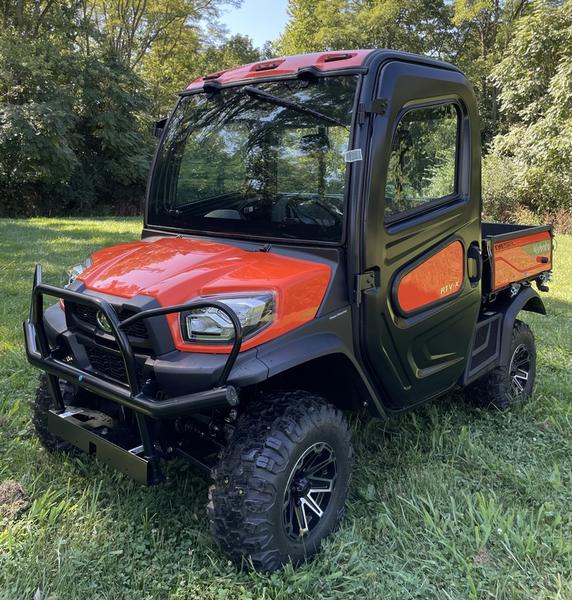
What is a UTV (Side-by-Side)?
A UTV, or Utility Task Vehicle, is an off-road vehicle defined by several key features that prioritize safety, utility, and passenger comfort. Unlike their ATV cousins, UTVs are designed with a car-like driving experience .
Key characteristics of a UTV include:
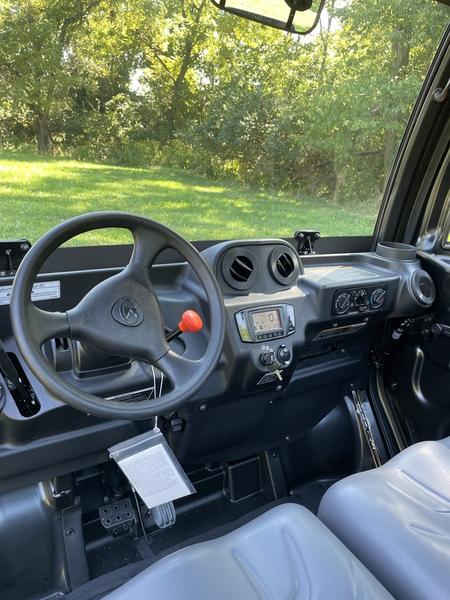
- Steering Wheel & Pedals: You drive a UTV using a steering wheel and foot pedals (accelerator and brake), just like a car or truck .
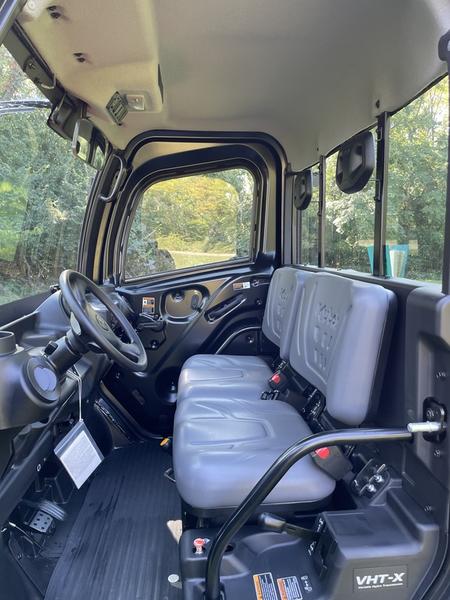
- Side-by-Side Seating: The vehicle features bucket or bench seats that allow passengers to sit next to the driver, hence the common nickname “Side-by-Side” (SxS) .
- Safety Features: They are equipped with seatbelts and a robust roll-over protection structure (ROPS) , which is a roll cage designed to protect occupants in the event of a tip-over .
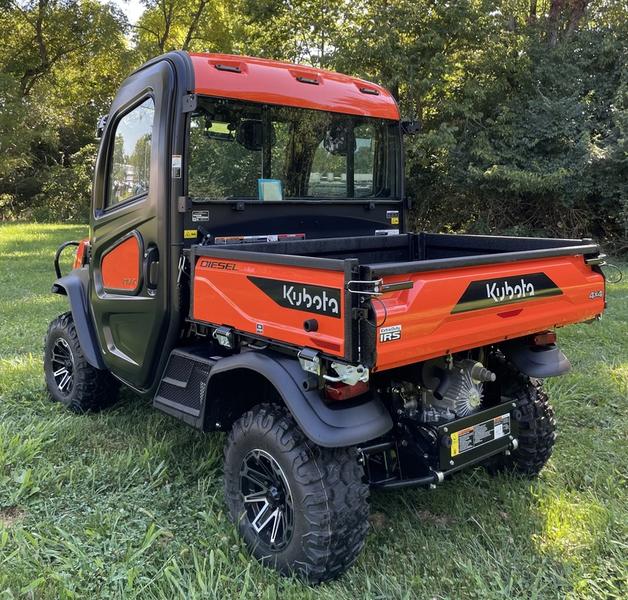
- Cargo Capability: Most UTVs come with a cargo bed, making them ideal for hauling equipment, feed, or game .
UTV vs. ATV: Which One is Right for You?
One of the biggest decisions off-road enthusiasts face is choosing between a UTV and an ATV. While both are incredibly capable, they serve different purposes. Understanding these differences is the first step in your buying journey .
Summary: If you prioritize passenger comfort, cargo hauling, and safety features for work or family fun, a UTV is the winner. If you need a nimble machine for tight trails or want the most affordable entry point, an ATV might be your best bet .
The Main Types of UTVs: Matching the Machine to the Mission
Not all UTVs are created equal. Manufacturers design specific models to excel in different environments. To ensure you get the most satisfaction from your purchase, align the vehicle’s strengths with your primary intended use .
1. Utility UTVs (The Workhorse)
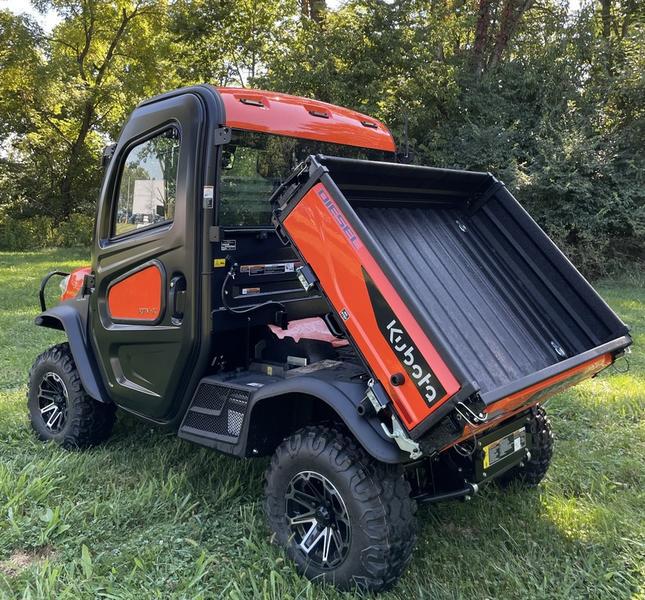
These models are built specifically for farming, ranching, and construction. They prioritize durability, payload capacity, and towing power over raw speed .
- Key Features: High towing capacity (often 2,500 lbs or more ), large dump cargo boxes, durable suspension, and availability of power lift kits .
- Ideal For: Hauling feed, moving fencing, landscaping, and property maintenance .
Why Choose Utility Vehicles UTV for Your Adventures?
2. Sport / Performance UTVs (The Adrenaline Machine)
These are the hot rods of the off-road world. Designed for high-speed desert running, dune bashing, and technical trail riding, they focus on suspension travel and horsepower.
- Key Features: Long-travel suspension, powerful engines (often turbocharged), low ground clearance for stability, and aggressive styling .
- Ideal For: Recreational riders seeking thrills and high-performance trail riding.
3. Sport-Utility UTVs (The All-Rounder)
As the name suggests, these models aim to bridge the gap between work and play. They offer a comfortable ride for trails but retain enough cargo and towing capacity for weekend chores .
- Key Features: Balanced suspension, mid-range towing capacity, and versatile storage options.
- Ideal For: Families who want one vehicle that can handle a trail ride in the morning and light yard work in the afternoon.
4. Hunting UTVs (The Stealth Gear Hauler)
Hunters have specific needs: quiet operation, cargo space for gear and game, and the ability to blend into the environment.
- Key Features: Camouflage or earth-tone paint schemes, quiet engines, waterproof storage compartments, and racks for carrying bows or rifles. The cargo box alone can haul hides, racks, and meat with ease .
- Ideal For: Accessing remote hunting spots, hauling gear, and transporting game .
5 Critical Factors to Consider Before Buying
Once you have identified the type of UTV you need, it is time to dig into the specifications. Here are the key technical aspects to evaluate to ensure you get the perfect machine .
1. Engine and Performance
The engine is the heart of your UTV. If you plan on heavy-duty tasks like towing or navigating steep terrain, prioritize horsepower and torque. For farm work, a reliable Rotax or similar heavy-duty engine with high horsepower (e.g., 82 hp V-Twins) can make daily chores significantly easier . Consider the fuel type as well; while gasoline is standard, diesel options are available for specific heavy-duty applications, and electric UTVs are emerging as a quiet, eco-friendly alternative .
2. Passenger Capacity
UTVs range from two-seaters to six-seaters . Think about who will be riding with you. If you have a large crew on the farm or want to take the whole family on a trail ride, a four or six-seat model (like a “MAX” or crew cab) is essential .
3. Cargo and Towing Capacity
This is the core of a UTV’s utility.
- Payload: How much weight can the box hold? Work-focused models can often handle 1,000 lbs in the bed .
- Towing: Check the maximum towing rating. Some heavy-duty models boast industry-leading towing capacities of up to 3,000 lbs .
4. Terrain and Maneuverability
Where will you be driving? If you need to access narrow, ATV-only trails, look for a narrower model (around 50 inches). If you are on wide-open farmland or wider trail systems, a standard 60-inch+ chassis offers more stability and comfort . Always check the vehicle’s ground clearance to ensure it can handle rocks and ruts .
5. Safety Features
Off-roading involves inherent risks. Prioritize models with a sturdy, integrated roll cage, three-point or five-point seatbelts for all passengers, and consider additional features like stability control. Never allow passengers to ride in the cargo box . For added peace of mind, modern UTVs are beginning to integrate advanced safety tech like automatic braking systems .
Essential UTV Maintenance: Protecting Your Investment
A UTV is a significant investment, and proper maintenance is the key to ensuring it lasts for thousands of miles. Off-road vehicles work hard and are exposed to harsh elements like mud, dust, and water, making regular care essential .
Before every ride, implement a pre-operational checklist :
- Check tire pressure: Proper pressure is vital for traction and safety. Underinflation can cause rim slip, while overinflation leads to a rough ride and uneven wear .
- Inspect fluid levels: Check engine oil, coolant, and fuel for grime or debris .
- Clean the air intake: A clear air intake is essential for efficient engine operation .
- Test safety systems: Ensure lights, brakes, and seatbelts are functioning .
For long-term durability, follow this routine:
- Oil Changes: Change the engine oil and filter every 1,000 miles or six months, or more often if driving in challenging terrain. Fully synthetic oil is often the best choice for handling high RPMs and temperature changes .
- Lubrication: Use a grease gun to lubricate suspension components and fittings to prevent metal-on-metal wear .
- Cooling System: Flush and replace the coolant as it gets dirty (roughly every five years) to prevent the engine from overheating .
- Brake and Transmission Checks: Inspect brakes regularly and replace transmission fluid when it appears dirty .
The Future of UTVs
The UTV market is not standing still. Several key trends are shaping the next generation of vehicles :
- Electrification: Electric UTVs are gaining popularity due to their quiet operation, instant torque, and zero emissions, appealing to both eco-conscious consumers and hunters who need to move silently.
- Connectivity: Modern UTVs are becoming smarter with integrated GPS mapping, smartphone connectivity, and advanced infotainment systems that allow riders to stay connected and navigate easily.
- Advanced Safety: Expect to see more vehicles equipped with collision avoidance technologies and automatic braking systems, borrowed from the automotive world, to make off-roading safer for everyone.
Conclusion
Choosing the right UTV is a journey that starts with understanding your own needs. By assessing whether you need a workhorse utility model, a high-performance sport machine, or a versatile all-rounder, you can narrow down the vast market. Remember to factor in passenger capacity, cargo needs, and the terrain you’ll be conquering.
Once you bring your new machine home, a commitment to regular maintenance—from daily fluid checks to timely oil changes—will ensure it remains a reliable companion for years of adventures. The off-road world is waiting, and with the right UTV, you’ll have the power to explore it all.