
In the modern agricultural landscape farm utility vehicles, efficiency and versatility are paramount. While tractors remain the heavy lifters of the operation, the farm utility vehicle has become the indispensable right-hand man for farmers worldwide. Whether you call it a UTV (Utility Terrain Vehicle), a Mule, or a Gator, this machine is no longer a luxury but a necessity for daily chores, livestock management, and crop monitoring.
With the market evolving rapidly—including the rise of electric models and advanced towing capabilities—choosing the right vehicle can be overwhelming. This guide covers everything you need to know about selecting the perfect utility vehicle for your farm, plus insights for dealers on how to connect with modern buyers.
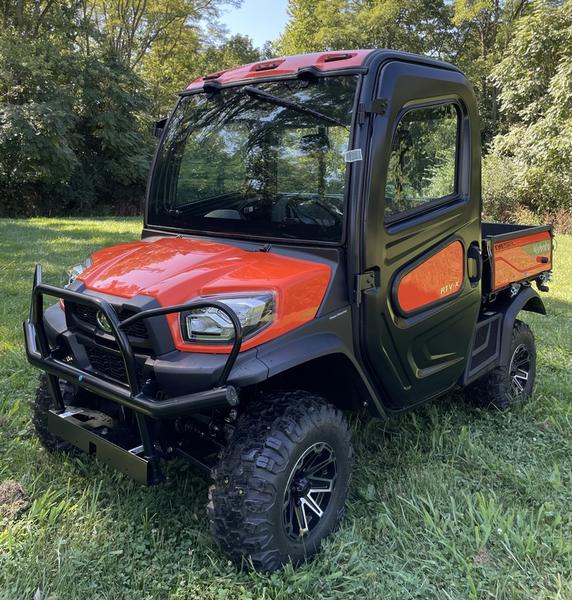
What is a Farm Utility Vehicle?
A farm utility vehicle is a small, open vehicle designed specifically for off-road work. Unlike recreational ATVs, farm UTVs are built with cargo beds, higher towing capacities, and durability suited for rough terrain .
Today’s market offers everything from compact 600cc models for small acreages to powerful 80+ HP beasts capable of pulling heavy implements. Recent innovations even include models with PTO connections and advanced suspension systems .
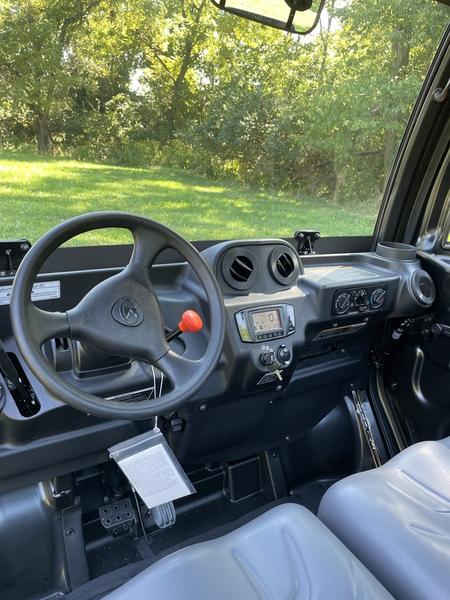
How to Choose the Best UTV for Your Farm
Selecting the right UTV depends on a thorough assessment of your operational needs. According to agricultural extension experts, it is not a one-size-fits-all decision . Before visiting a dealer, consider the following factors:
1. Assess Your Terrain and Farm Size
Your land’s topography dictates the power you need.
- Hilly or Rough Terrain: Requires a more powerful engine (45-80 HP) and robust suspension to handle stress and provide stability .
- Flat Landscapes: Lighter-duty models may suffice, allowing you to prioritize cargo space over raw power.
2. Capacity: Cargo and Towing
How much do you actually haul? Farmers often underestimate daily load requirements.
- Small to Medium Farms: Look for models with a cargo capacity around 250kg and towing of 700kg, suitable for feed bags and small trailers .
- Large Operations: Heavy-duty models offering 500kg+ cargo capacity and 900kg+ towing capability allow you to move heavier implements and bulk supplies in fewer trips .
3. Cab and Comfort for All-Day Use
If you have medical conditions or sensitivity to weather, cab selection is critical.
- Environmental Controls: For those with hypersensitivity to heat or cold, a cab with HVAC is worth the investment .
- Accessibility: Test door handles and hinges. Some farmers find rear-hinged doors easier to access than front-hinged ones. Safety grab bars can assist entry but ensure they are placed conveniently for your mobility .
4. Specialized Features
Modern UTVs offer attachments and features that blur the line between utility vehicle and tractor. Some high-end models now offer features like electronic power steering to reduce fatigue and differential locks for muddy conditions .
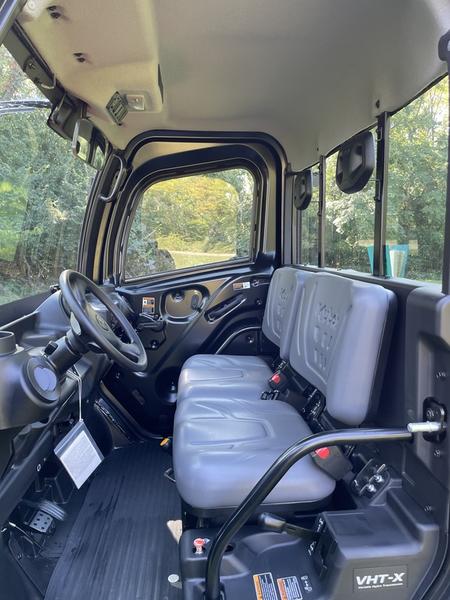
Innovation Spotlight: The Rise of the Electric Farm Vehicle
One of the most significant shifts in agriculture is the adoption of electric vehicles (EVs). The Polaris Electric Ranger is a prime example of this revolution, offering instant torque and all-wheel drive without the noise and emissions of diesel .
Why Go Electric?
- Lower Operating Costs: Electricity is cheaper than diesel, and electric motors have fewer moving parts, reducing maintenance .
- Livestock Benefits: The whisper-quiet operation reduces stress on livestock and wildlife, making chores like checking herds calmer and more efficient .
- Sustainability: When paired with on-farm solar charging, these vehicles create a closed-loop energy system, drastically reducing a farm’s carbon footprint .
However, as industry experts note, electric isn’t for everyone. While perfect for smaller farms, vineyards, and orchards (where quiet operation and low emissions are prized), they may not yet replace high-horsepower diesel machines for massive, continuous fieldwork. The key is matching the tool to the task .
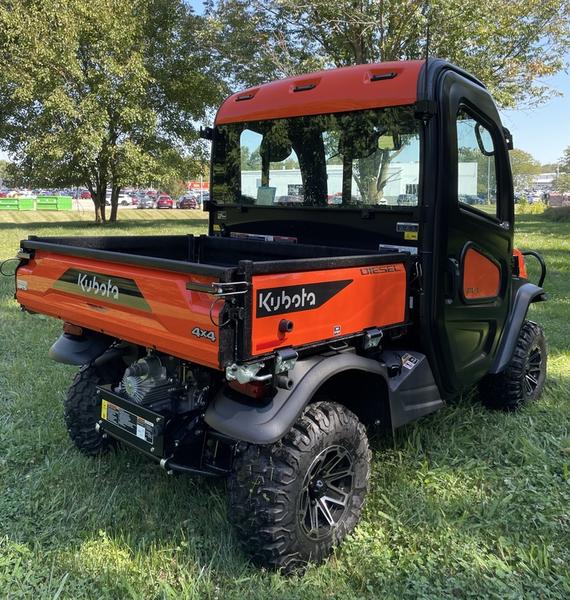
The Dealer’s Perspective: How to Sell Farm Utility Vehicles Online
For dealers, the shift in farm technology requires a shift in marketing. Farmers are starting their buying process online, often searching for specific models or local deals .
SEO Strategies for Equipment Dealers
To capture this audience, dealers need a robust online presence. General marketing is no longer enough; you need Local SEO .
- Optimize for “Near Me” Searches: Most farmers look for local inventory. Ensure your Google Business Profile is claimed and optimized. Use keywords like “farm utility vehicles for sale in [County]” or “UTV repair near me” .
- Mobile Optimization is Key: Farmers often search from the field on their phones. Your site must load quickly and display inventory clearly on small screens. Compress images and ensure buttons are easy to press with gloved hands .
- Content Marketing: Publish blogs that answer customer questions, such as “Gas vs. Diesel UTVs” or “Winterizing Your Farm UTV.” This builds authority and brings in traffic from farmers researching their options .
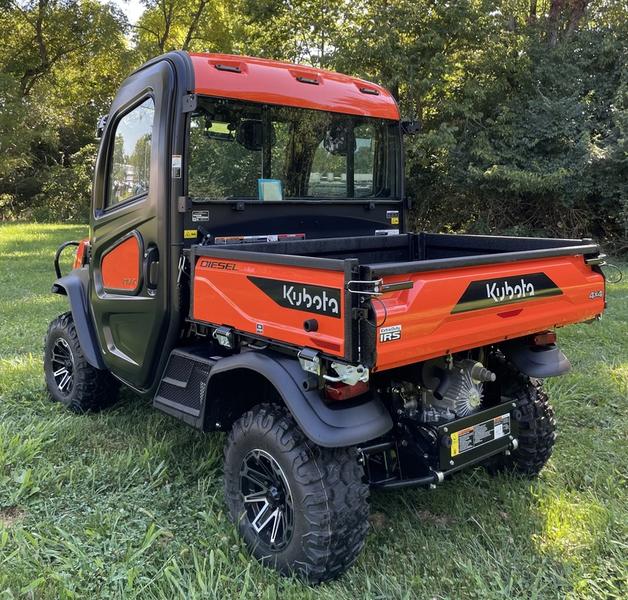
Essential Maintenance Tips for Longevity
Investing in a farm utility vehicle requires proper care to ensure it survives the rigors of agricultural life.
- Chemical Resistance: Farm environments expose vehicles to fertilizers and chemicals. Regularly wash down your UTV to prevent corrosion of components .
- Tyre Pressure: For rough terrain, maintaining correct tyre pressure (typically in all-terrain tyres of at least 25 inches) ensures traction and prevents punctures .
- Battery Care (for EVs): For electric models, follow manufacturer guidelines on charging cycles to maintain battery health, especially during off-seasons .
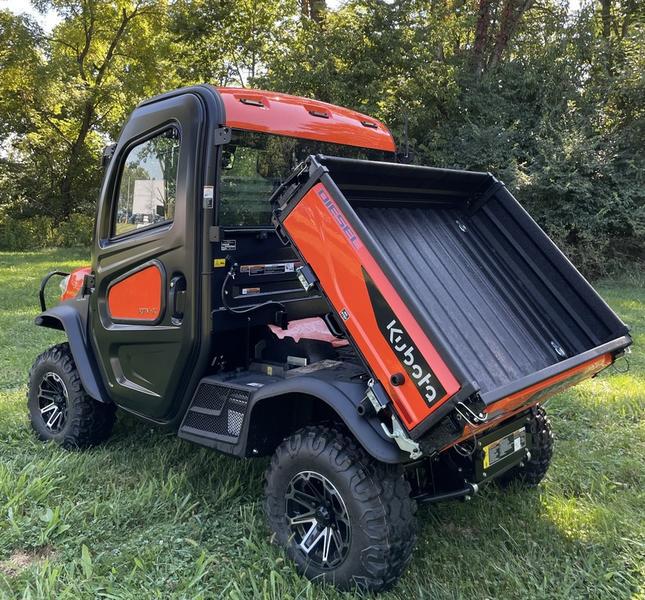
The Future of Farm Utility
The future of farming is a mix of old and new. While traditional diesel power remains dominant for heavy tillage, the utility vehicle segment is exploding with innovation. We are moving toward a diverse toolbox where a farmer might use a massive tractor for field work, a diesel UTV for heavy hauling, and a silent electric UTV for livestock chores .
Whether you are looking to buy your first UTV or upgrade your fleet, focus on your specific operational needs, test drive multiple models, and consider how new technology can make your daily work safer and more productive.