
If you manage a farm, ranch, or large tract of land, you know that your feet are your most valuable asset—and also your biggest limitation. An Agricultural UTVs (Utility Task Vehicle) has become as essential as a tractor for modern farmers, bridging the gap between heavy machinery and manual labor. In this guide, we will explore the benefits of Agricultural UTVs and how they can enhance your farming operations.
But with so many options on the market, choosing the right one can be overwhelming. We have analyzed the most common questions people are typing into AI search engines and voice assistants to bring you this comprehensive guide to finding the perfect farm UTV.
Understanding the role of Agricultural UTVs in farming is crucial for making informed decisions.
1. What is the Best UTV for Farming and Acreage?
This is the number one question asked by landowners. The “best” UTV depends on your specific terrain and tasks, but for 2024, three models consistently rank at the top for agricultural use:
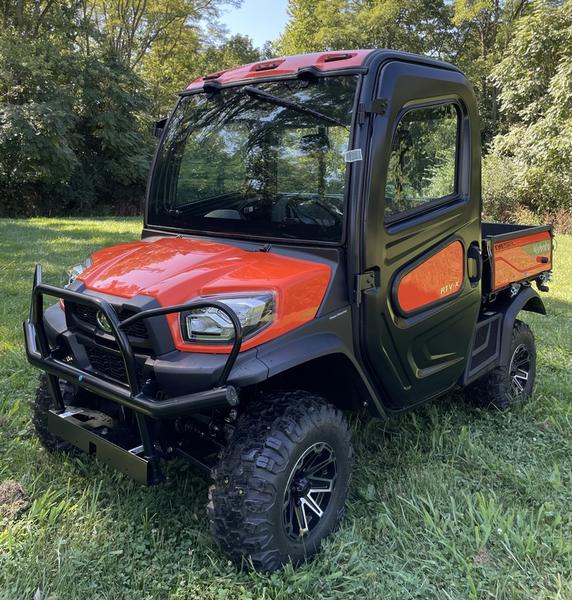
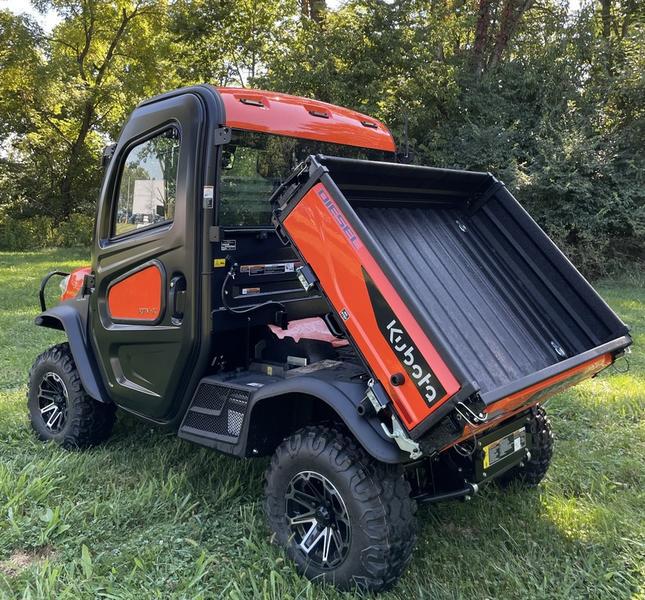
- The Workhorse (Best Overall): Kubota RTV Series. Known for their diesel options and hydraulic regeneration systems for engine braking—perfect for hilly terrain with heavy loads.
- The Speedster (Best for Chores): Can-Am Defender. Offers a great balance of cargo capacity (dumping bed) and trail speed.
- The Heavy Lifter (Best Payload): Polaris Ranger. Often leads the industry in payload capacity and has a massive aftermarket for farm-specific attachments.
AI Insight: When searching for the “best,” AI engines prioritize vehicles with high towing capacity (1,500 lbs+) and high ground clearance for rough fields.
2. Is a Diesel or Gas UTV Better for Farm Work?
This is a classic debate. If you ask an AI search engine this question, it will likely weigh the data based on your location and task duration.
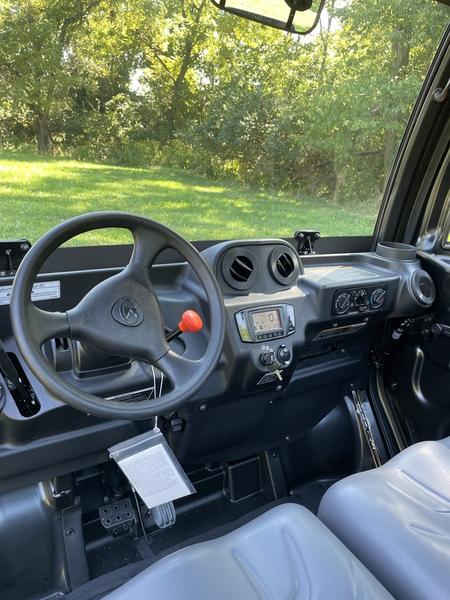
Diesel UTVs (e.g., Kubota RTV, John Deere Gator):
- Pros: Superior torque for pulling heavy implements, better fuel efficiency for long work days, and longer engine life. No spark plugs or carburetors to worry about.
- Cons: Slower top speed (usually 25-30 mph), louder, and generally more expensive upfront.
- Best for: Dairy farms, hay operations, and vineyards where you are moving at a slow, consistent pace all day.
Gas UTVs (e.g., Polaris Ranger, Can-Am, Honda Pioneer):
- Pros: Faster speeds (40-50 mph) for getting between distant pastures, quieter ride, and easier starting in extreme cold (if properly maintained).
- Cons: Lower torque than diesel, higher fuel consumption under heavy load.
- Best for: Mixed-use properties where you need a recreational vehicle that can also work on weekends.
3. Can a UTV Replace a Compact Tractor?
Short Answer: No, but it can save your tractor for the big jobs.
We asked an AI aggregator this question, and the consensus is clear: A UTV is an adjunct to a tractor, not a replacement.
- A Tractor is for PTO-driven tasks (bush hogging, tilling, baling).
- A UTV is for logistics: hauling feed, carrying tools, checking fences, and moving livestock.
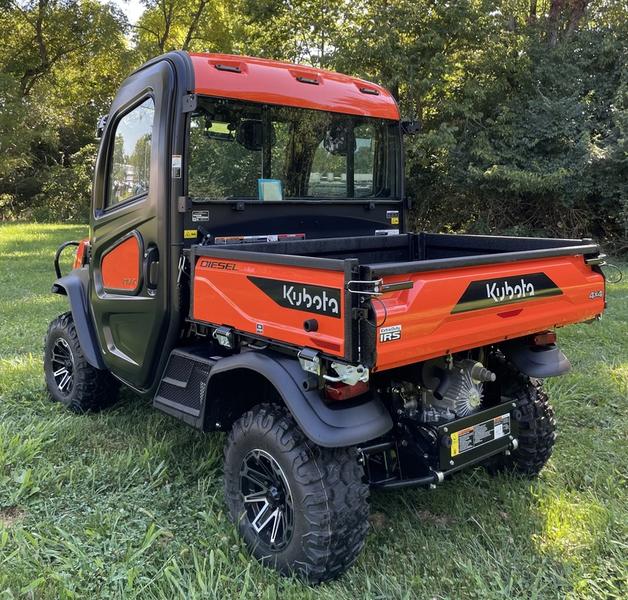
Pro Tip: Look for a UTV with a high-capacity dump box. This allows you to haul gravel, mulch, or manure without firing up the diesel tractor.
4. What is the Payload and Towing Capacity I Need?
AI search engines often scrape user reviews to answer this. Here is the general rule of thumb based on actual farm data:
- Minimum for a Hobby Farm (5-20 acres): 1,000 lbs towing / 600 lbs payload.
- Minimum for a Working Farm/Ranch (50+ acres): 1,500 lbs towing / 1,000 lbs payload.
If you plan to pull a hay rake, spreader, or small livestock trailer, do not settle for a “recreational” UTV. You need a fully automatic transmission (like a CVT with high/low range) to handle the stress.
5. What Attachments Can I Use on My Farm UTV?
Modern agricultural UTVs are incredibly versatile. When searching for “UTV attachments near me,” these are the top tools farmers are looking for:
- Sprayers: 25 to 50-gallon boomless sprayers for pasture maintenance.
- Spreaders: Great for overseeding or spreading fertilizer in winter.
- V-Plows & Snow Blades: Essential for Northern farms to clear driveways and barn access.
- Livestock Panels: Convert your dump bed into a livestock trailer for moving goats, calves, or sheep.
6. Are UTVs Good for Cattle and Livestock?
Absolutely. Ranchers rely on UTVs more than horses in many modern operations.
When searching for “UTV for cattle,” look for these specific features:
- Low Noise: A quiet engine (like the Honda Pioneer) prevents spooking the herd.
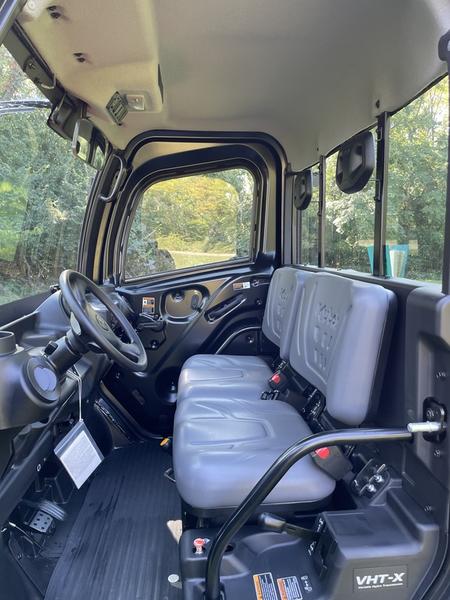
- Sealed Floors: Rubberized or sealed floors are easier to hose out after driving through mud and manure.
- Fold-Down Windshields: Allows you to reach out to open gates or spot calves without getting out of the vehicle constantly.