
If you manage a farm, ranch, or large property, you already know that a pickup truck can’t go everywhere. For feeding livestock, hauling tools, or checking fences, an Agricultural UTV (Utility Task Vehicle) is the ultimate workhorse. But with so many models, attachments, and regulations, buying the right one can feel overwhelming.
We’ve analyzed the most frequently asked questions from farmers, landowners, and search engines to create this definitive guide. Whether you are wondering about UTV safety, farm plate laws, or payload capacity, we have the answers you need to make an informed decision.
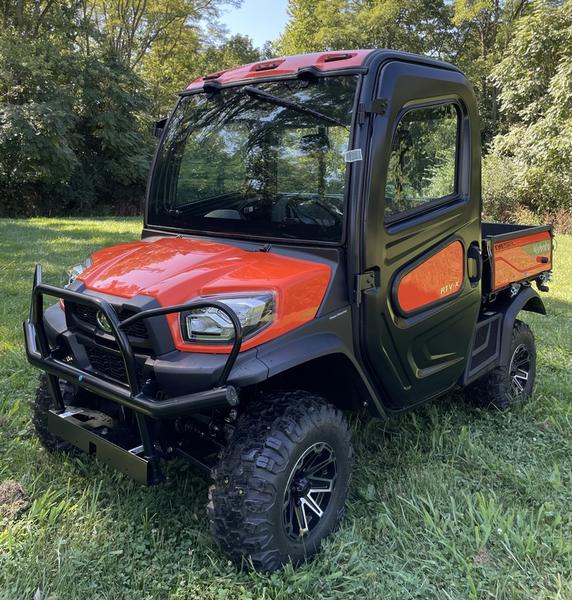
Frequently Asked Questions About Agricultural UTVs
1. What is the difference between an ATV and a UTV for farm work?
This is the most fundamental question for any buyer. While both are useful, they serve different purposes.
- ATV (All-Terrain Vehicle): Designed for a single rider who uses their body weight to steer and balance. They are agile and great for quick herding of livestock on tricky terrain .
- UTV (Utility Task Vehicle): Often called a “side-by-side,” these feature a roll cage, seatbelts, and side-by-side seating. They are designed specifically for utility work, featuring a cargo bed and higher towing capacity .
The Verdict: For serious farm tasks like hauling feed, spraying fields, or transporting crews, a UTV is the safer and more practical choice due to its stability and storage .
2. Do I need a driver’s license or a license plate for my farm UTV?
This depends entirely on where you drive and how you use it. The laws vary significantly by state, but here are the general rules of thumb:
- On the Farm (Private Property): Generally, no license or registration is required if the vehicle stays on your own agricultural land .
- On Public Roads: This is where it gets complex. In many jurisdictions, UTVs are not allowed on state roads. Some counties allow them only for agricultural purposes on local roads. For example, in Pennsylvania, if a UTV is used exclusively for farming, it may be classified as a Multipurpose Agricultural Vehicle (MAV) and exempt from standard ATV registration, but operators usually still need a driver’s license .
- Age Restrictions: Most states require operators driving on the road to be at least 16 years old with a valid license. Younger operators are often restricted to parental supervision on private land .
Recommendation: Always check your local Department of Motor Vehicles (DMV) or Department of Natural Resources (DNR) website, as rules like “20-mile radius limits” or specific “farm plates” exist in states like Maine .
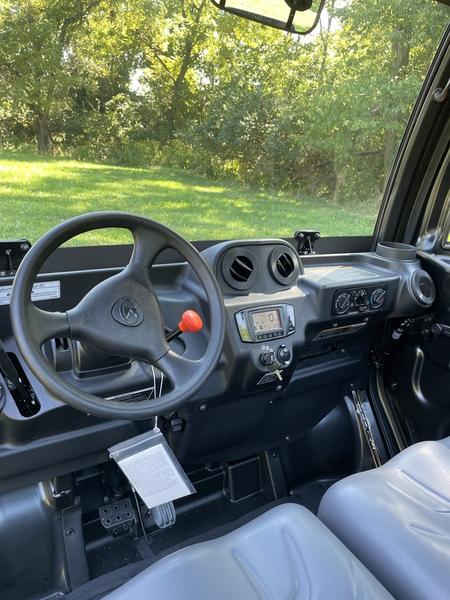
3. How do I choose the right UTV for my farm? (Gas, Diesel, or Electric?)
Selecting the right machine depends on your specific daily tasks. Here is a breakdown based on engine type and specs:
- Gas UTVs: The most common choice for general farm use. They are cheaper upfront, start easily in cold weather, and are easy to maintain. Ideal for everyday hauling and trail riding .
- Diesel UTVs: These are the heavyweights. Diesel engines provide more torque and longer engine life, making them perfect for large-acreage farms, pulling heavy trailers, or running sprayers. They are more fuel-efficient under heavy load but cost more upfront .
- Electric UTVs: The newest option on the market. They are silent, have zero emissions, and require minimal upkeep. They are excellent for operations near animals (where noise causes stress) or in “green zones” like vineyards or orchards. However, be aware of shorter battery range and higher initial costs .
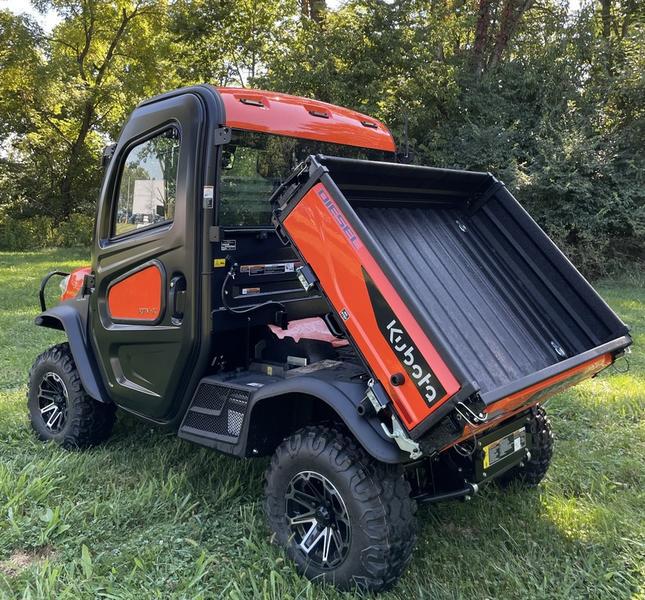
Pro Tip: Look beyond the engine. For farm work, prioritize 4WD over 2WD, ensure a payload capacity of at least 1,000 lbs, and look for a dump bed feature to make unloading feed or gravel easier .
4. What safety gear do I need when operating a UTV?
Safety is paramount on a farm. While UTVs are safer than ATVs due to their roll cages, accidents still happen.
- Seatbelts are Non-Negotiable: Unlike an ATV, a UTV has a roll-over protection structure (ROPS). You must wear your seatbelt to remain inside the protective zone of the roll cage .
- Helmets: While not always legally required for adults in UTVs with seatbelts and roofs, helmets are highly recommended, especially if you are traversing rough, hilly terrain. Head injuries are the most serious risk in rollovers .
- Protective Clothing: Always wear long pants, long-sleeved shirts, gloves, and over-the-ankle boots. This protects you from debris, engine heat, and sun exposure .
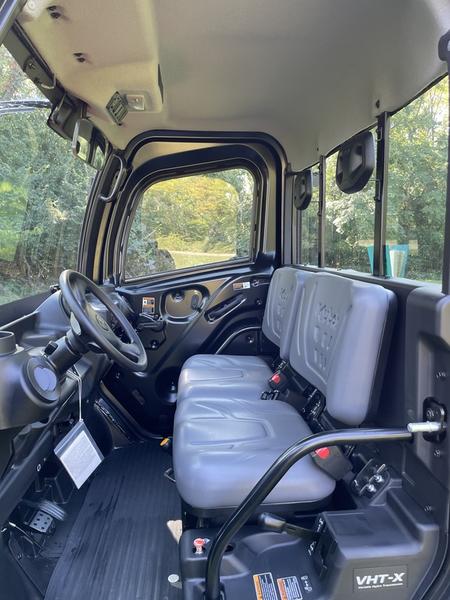
5. How much weight can an agricultural UTV actually haul?
This is a critical spec for farmers. You need to differentiate between payload (what you put in the bed) and towing (what you pull behind you).
- Cargo Bed Capacity: UTV beds vary widely. Light-duty models might hold 200–400 lbs, while heavy-duty agricultural models can handle over 1,000 lbs in the bed .
- Towing Capacity: For farm implements like seed spreaders or small trailers, look for a UTV with a towing capacity of 1,200 to 1,500 lbs or more .
Safety Warning: When towing with an ATV or UTV, never exceed the vehicle’s combined weight rating. Heavy loads on slopes can cause the vehicle to jackknife or roll over. Always use the manufacturer’s recommended hitch point .
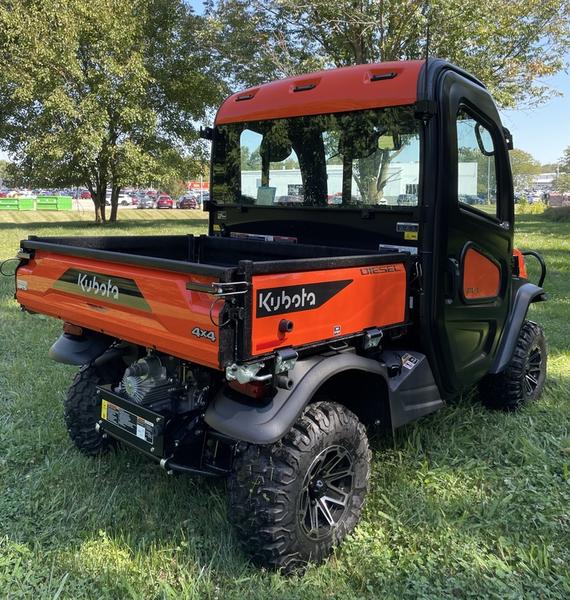
6. How do I drive a UTV safely on hills and slopes?
Farms are rarely flat. Driving on inclines requires a different technique than driving on pavement.
- Uphill: Shift into a lower gear and speed up before the climb to maintain momentum. The operator should lean forward (or stand and position weight toward the front) to keep the front wheels on the ground .
- Downhill: Shift your weight to the rear of the machine. Use a low gear and apply both brakes gradually to slow down .
- Traversing (Side Hilling): Avoid driving across steep slopes whenever possible. If you must traverse, avoid slippery or loose surfaces, as this is a high-risk maneuver for rollovers .
7. What attachments can I use with my farm UTV?
A UTV transforms from a simple buggy into a multi-purpose tool with the right attachments.
- Sprayers & Spreaders: Tow-behind sprayers turn your UTV into a pasture management tool for weeds or fertilizer .
- Winches: Essential for getting unstuck from mud or for moving heavy logs and obstacles .
- Cab Kits: If you work year-round, a roof, windshield, and cab kit protect you from weather, dust, and bugs, extending your working season .
- Trailers: A small utility trailer with a dump option effectively doubles your hauling capacity for brush, fencing materials, or firewood .
8. How fast do farm UTVs go, and is speed important?
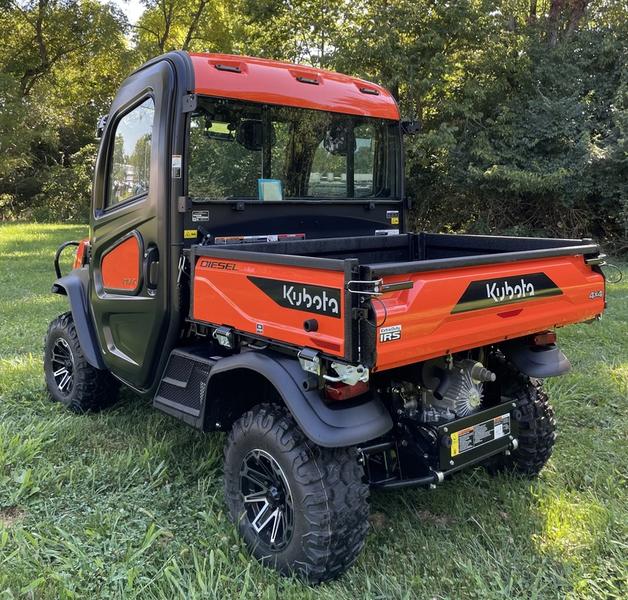
While recreational UTVs can exceed 70 mph, speed is generally not a priority for agricultural work.
- Work vs. Speed: High speeds on uneven farm terrain dramatically increase the risk of the vehicle dropping into a hole or rolling over .
- Ideal Speed: There are few, if any, reasons for a maximum speed of more than 25 mph in agricultural operations. Slower speeds increase control and safety, especially when herding livestock or navigating around obstacles .
9. Should I buy a new or used UTV for my farm?
Both options have merit, depending on your workload and budget.
Buy New If:
- You need a warranty and financing options.
- You plan to use it hard every day (reliability is key).
- You want the latest safety features and fuel efficiency .
Buy Used If:
- You have a tight budget or only need it for light, infrequent tasks.
- You are handy with repairs.
- You can verify the machine’s history .
Used UTV Checklist: Always check for high engine hours, rust on the frame, worn tires, and take it for a full test drive. Test the dump bed and 4WD engagement before buying .
10. How do I maintain my agricultural UTV?
Regular maintenance prevents breakdowns when you are miles from the barn. Use a simple checklist:
- Tires: Maintain recommended air pressure. Uneven pressure affects handling .
- Brakes & Throttle: Check these every single time before you ride to ensure smooth operation .
- Fluids: Check for oil or fuel leaks and maintain fluid levels .
- Cleaning: Keep lights and radiator screens clear of mud and debris to prevent overheating and ensure visibility .
Conclusion: Making the Right Move for Your Land
Choosing the right agricultural UTV comes down to understanding your land, your daily chores, and the laws in your area. Whether you opt for a diesel powerhouse for heavy towing or a quiet electric model for working around livestock, the right UTV will save you time and energy for years to come.
Ready to find the perfect match for your farm?
[Shop Our Selection of Farm-Ready UTVs] or [Contact Our Farm Equipment Specialists]