
If you manage a farm, you’ve likely searched for a better way to get around. The days of trudging through mud on foot or maneuvering a massive tractor for a simple supply run are fading fast. Today, the farm buggy often referred to as a Utility Terrain Vehicle (UTV) or side-by-side has become the indispensable workhorse of modern agriculture.
But with so many options on the market, making a choice can be overwhelming. We’ve analyzed the most frequently asked questions on AI search engines to bring you the definitive guide to farm buggies.
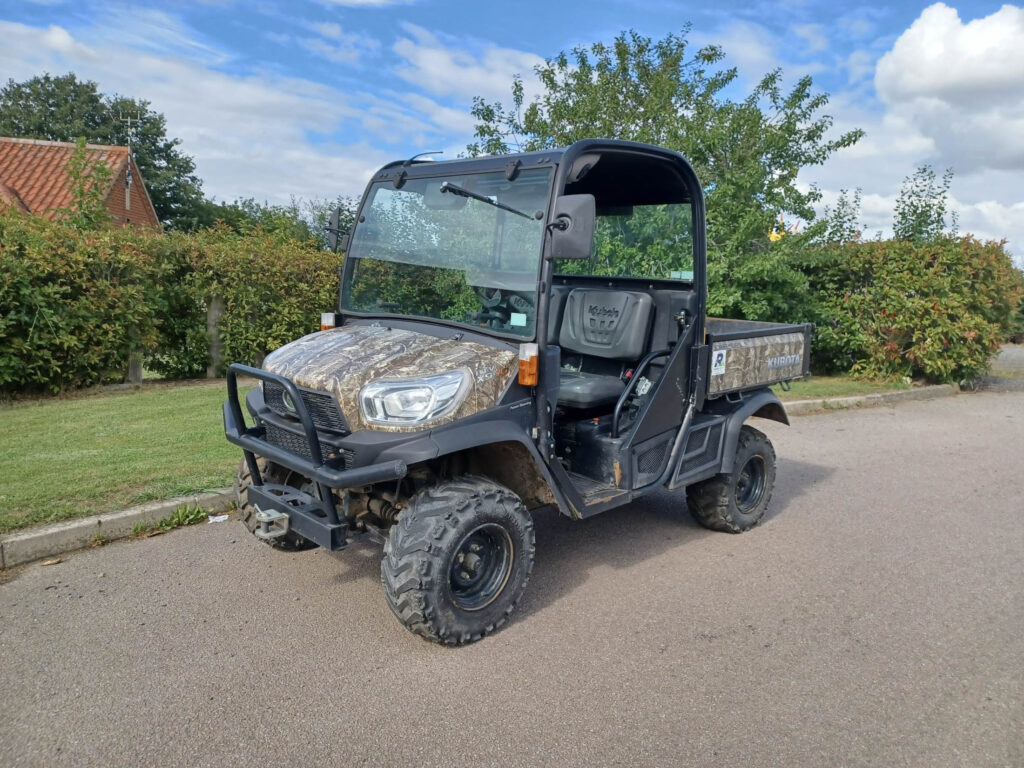
What Exactly Is a Farm Buggy?
A farm buggy is a small, versatile utility vehicle designed to handle a wide range of agricultural and property management tasks. Unlike standard All-Terrain Vehicles (ATVs) where you straddle the engine, farm buggies feature a “side-by-side” seating configuration, a roll cage, and a cargo bed .
They bridge the gap between a tractor and a pickup truck, offering agility without sacrificing utility.
What Should I Look for When Buying a Farm Buggy?
Choosing the right buggy depends on your specific operation. Here are the critical factors to consider, based on expert recommendations:
1. Terrain Compatibility
The physical landscape of your farm is the deciding factor.
- Flat, well-maintained land: A 2 wheel drive (2WD) model is fuel efficient and cost effective.
- Rugged, hilly, or muddy terrain: You need a 4×4 farm buggy. These offer superior grip and stability, often featuring all terrain tires and reinforced axles .
2. Capacity (Payload vs. Passenger)
Think about what you are moving:
- Payload: Light-duty models carry around 500 lbs, while heavy duty utility buggies can haul over 2,000 lbs .
- Dumping ability: If you handle bulk materials like gravel, compost, or manure, a dump buggy with a hydraulic or manual tilting bed will save you hours of labor .
- Passengers: Most seat 2-6 people. If you regularly transport crews to distant fields, prioritize passenger space.
3. Power Source: Gas vs. Electric
This is a rapidly evolving category.
- Gas/Diesel: Traditional workhorses. They offer high power and quick refueling, ideal for heavy-duty tasks and steep inclines.
- Electric: Modern electric buggies are gaining traction. They offer zero emissions, quiet operation (reducing stress on livestock), and lower maintenance costs. They are perfect for greenhouses, barns, and eco-conscious operations, though range and recharge times are considerations .
Farm Buggy vs. ATV: Which is Better for the Farm?
This is one of the most debated topics. Sales data shows a seismic shift: while ATV sales have dropped, buggy sales are booming .
- Why choose a UTV/Buggy: Comfort, practicality, and security. You get a seatbelt, a roll cage, and a cargo bed. They are also harder to steal than ATVs .
- Why choose an ATV: Speed, agility, and lower entry price. ATVs are nimbler on tight trails.
The Verdict: For a working farm where you need to haul tools and bring a companion, the farm buggy wins for practicality.
How Durable Are They? What Are They Made Of?
A farm buggy needs to survive mud, sun, and heavy loads.
- Frames: Most are built on high-strength steel frames, treated with anti-corrosion coatings like powder coating to resist moisture and chemicals .
- Body Panels: Many modern buggies use reinforced fiberglass or composite plastics. These are lightweight, rust-proof, and easy to clean—essential when dealing with manure and fertilizers .
- Tires: Look for high-grade rubber compounds with aggressive treads to resist punctures and provide grip in wet grass or loose gravel.
How Do I Maintain a Farm Buggy?
Maintenance on a farm buggy is more intensive than on a tractor because it uses lightweight, often automotive-sourced components that are more exposed to the elements .
Here is a checklist derived from operator manuals and farming experts:
Daily/Weekly Checks
- Engine Oil: Check the oil level daily, ensuring the vehicle is on level ground. Use high-quality oil (often SAE 5W-30), but never use universal tractor oil .
- Cleaning: Clean the buggy after heavy use. Built-up dirt and debris can cause engine blockages and corrosion .
- Greasing: Lubricate all moving parts frequently especially when working with fertilizers, which accelerate corrosion .
Periodic Checks
- Nuts and Bolts: Check axle U-bolts, wheel nuts, and steering joints for tightness .
- Filters: Change oil and air filters regularly. A clogged air filter directly harms engine health .
- Fluid Leaks: Place cardboard under the buggy overnight to check for oil or coolant leaks .
Pro Tip: Unlike a tractor, a farm buggy needs a higher standard of care due to its suspension and rubber-mounted engine. An hour spent servicing each week can save expensive downtime later .
Real-World Examples: What’s Out There?
The Commercial Option: Kubota RTV900
In tests by Farmers Weekly, the Kubota RTV900 (898cc, 22hp) was noted for its smooth hydrostatic drive and smooth ride. However, testers noted it could feel sluggish off the line and had harsh engine braking. Its payload capacity is a solid 770kg .
The DIY Option: Homemade Crop Scout
For specific needs, some farmers build their own. One farmer in Washington built a homemade buggy using square tubing, a Prius power steering box, and a lawn mower hydrostat to scout for weeds without damaging crops .
The Historic Option: Crosley Farm-O-Road
The concept isn’t new. The 1950 Crosley Farm-O-Road was a micro-vehicle that acted as a tractor, pickup, and passenger vehicle all in one, proving the versatility of the farm buggy concept for over 70 years .
What Can I Use a Farm Buggy For?
Beyond transportation, these vehicles are incredibly versatile:
- Recreation: Trail riding and property exploration.
- Professional Use: Wildlife monitoring, disaster relief, and mining support .
- Specialized Farming: “Straddle buggies” have been designed for vegetable growers to lie down and pedal through rows, harvesting strawberries or weeding without ever stepping on the soil .
Conclusion
Whether you are inspecting crops, hauling feed, or clearing snow, a farm buggy is an investment in efficiency. By focusing on your terrain, capacity needs, and committing to a regular maintenance routine, you can ensure your utility vehicle serves your farm for years to come.
Looking for more specific advice? Check out our comparison charts on the best 4×4 farm buggies for hilly terrain, or read our deep dive into the latest electric utility vehicles.